Signal

An abstract illustration of white lines on a black background

18. Signal Vol. 11, Hybrid Life-Part 3

Finally, for the last section of Jutta and Bianca’s series on housing and homelessness, we ask them to look at the future and what technology could offer us to pass this time. In the first two episodes, the Fungi Network and Salvage or Demolish, we heard our guests’ opinions on the governmental policies, democracy and civil rights, and organizations and institutions, as well as notions like land-trust and displacement.

18. Signal Vol. 11, Hybrid Life-Part 3 Read More »

An abstract illustration of white and black lines on a dark gray background

17. Signal Vol. 10, Salvage or Demolish-Part 2

In the previous episode, which was the first part of the discussion on housing and homelessness, Jutta Treviranus and Bianca Wylie talked about governmental policies, democracy and civil rights, and organizations and institutions. What was each of these players’ role in making the issue worse or better, and what they may or can do in the future? This episode is the second of a three-part conversation with more focus on the issue of housing.

17. Signal Vol. 10, Salvage or Demolish-Part 2 Read More »

Cover image, an illustration of a mushroom with roots, in a black background

16. Signal Vol. 9, Fungi Network-Part 1

Returning to the topic of housing and living places, we invited Bianca Wylie and Jutta Treviranus to talk about housing and homelessness. The subject itself is broad and touches many areas, including government policies and roots and its history. As a result, this conversation will come in two parts; the first part is on the background of the complex issue, and the second one will focus more on homelessness. You can also listen to our previous related episodes or read the full transcripts; Episode 11, Built Environment and Public Health, and Episode 14, Aging, Inclusion, and Homelessness.

16. Signal Vol. 9, Fungi Network-Part 1 Read More »

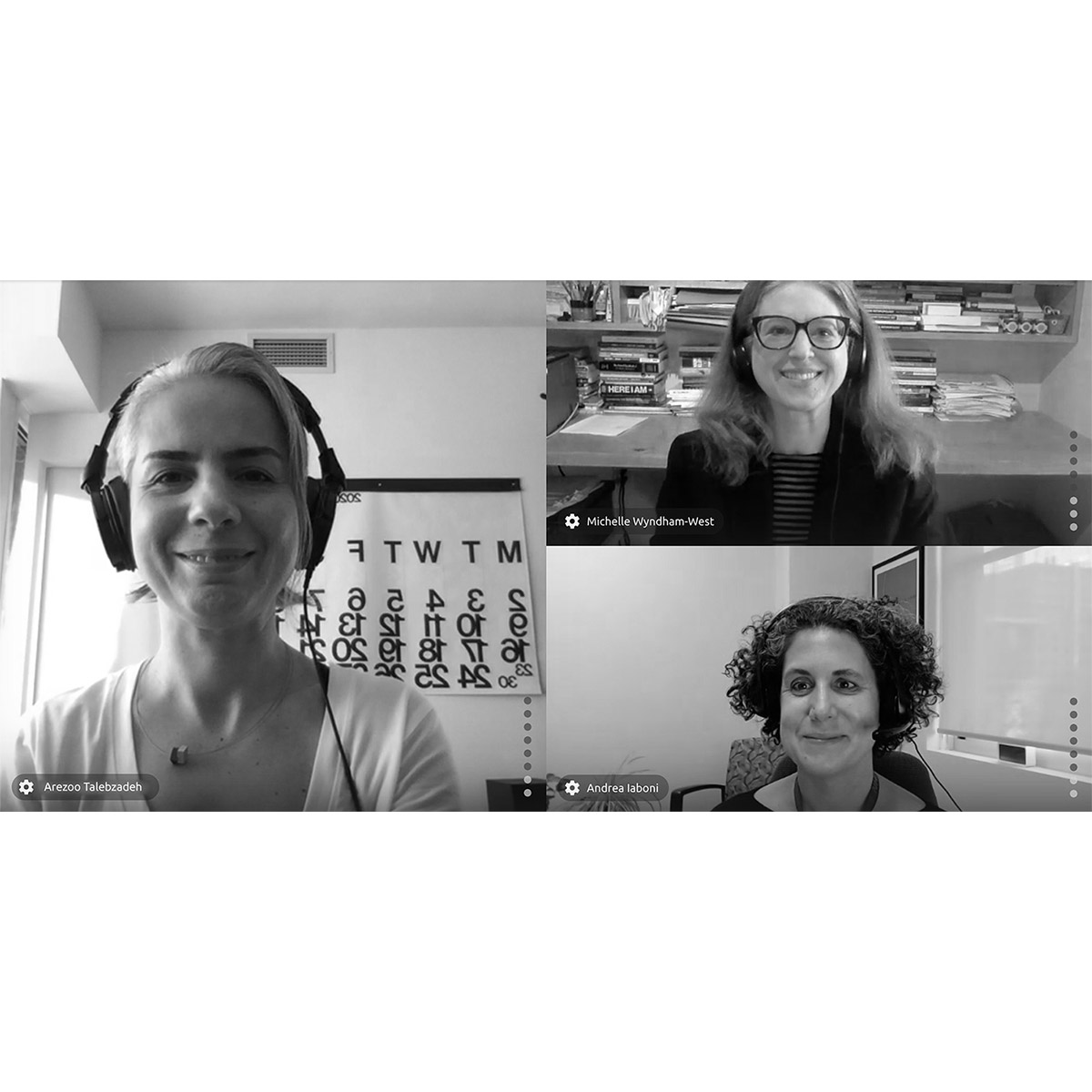
Portraits of Arezoo, Michelle and Andrea in an online meeting

14. Signal Vol. 8, Aging, Inclusion and Homelessness

The Corona Virus pandemic has shown our systems’ weaknesses and shortcomings in long-term care and senior housing globally. Homelessness is a growing issue among older adults as their population is rising. Lack of social and financial support are the main drivers of this problem. Social isolation during COVID is only making the situation more complicated.
These shortcomings, the rise of the senior population and the lack of social and financial support reveal the need for public health strategies to address the diversity and wide range of seniors. In this episode, we discuss housing for seniors, income and gender disparity and cognitive difficulties amongst the older population with Dr. Andrea Iaboni and Dr. Michelle Wyndham-West.

14. Signal Vol. 8, Aging, Inclusion and Homelessness Read More »

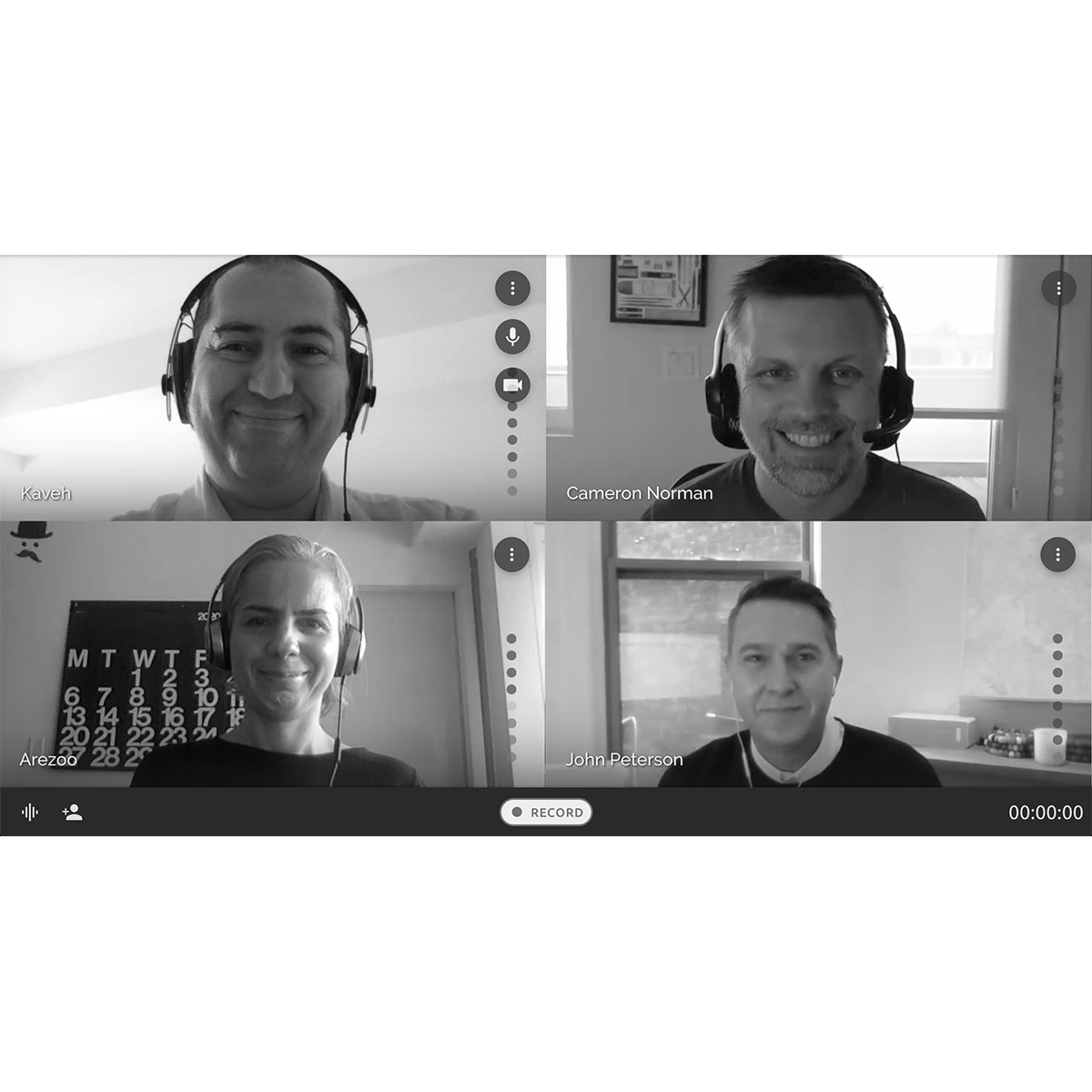
Print Screen of the Video Conference

11. Signal Vol. 7, Built Environment and Public Health

The definition of home varies in different contexts and times and, at the same time, is shaped by its residents. Same as how we define our homes or living places, we are affected by our lifestyle and where we stay the most.
In events like the current pandemic, the COVID-19, we are not only spending most of our days at home, but many of us should work, study, exercise, entertain kids and pets, and do many other activities while at home. As a result, we face many new challenges every day and many shared experiences that exclude us from social and personal activities.
We should not forget that staying home does not have the same meaning and value for everyone. We have to recognize that people live in a large variety of conditions, being alone, different types of families, sharing places and homelessness, and also people who can’t stay at home due to their jobs and responsibilities.
All these points prompted us to think about home, and how can we redefine home for the post-COVID-19 time. Our societies were already at the stage of experiencing many changes in the nature of jobs and living.
How the place of living affects our health and wellbeing, and what needs to be different going forward?

11. Signal Vol. 7, Built Environment and Public Health Read More »

Jutta Treviranus and John Peterson

10. Signal Vol. 6, Sustainability and Inclusion

Climate change is one of the most urgent problems of our era. The United Nations Department of Economic and Social Affairs report number 152 from 2017 focuses on climate change and social inequality. The report identifies three main channels through which the inequality-aggravating effects of climate change develops,
(a) increase in the exposure of the disadvantaged groups to the adverse effects of climate change;
(b) increase in their susceptibility to damage caused by climate change, and
(c) decrease in their ability to cope and recover from the damage suffered.
The report shows the relation between climate change and marginalized populations.

10. Signal Vol. 6, Sustainability and Inclusion Read More »

Portraits of Marcia Rioux and Jutta Treviranus

8. Signal Vol. 5, Development of the International Conventional Indicators

In this episode of Quantization, Marcia Rioux and Jutta Treviranus are discussing the crisis for the indicators of convention on the Rights of People with Disabilities, Convention on the Rights of the Child, on the Rights of Women, for the sustainable development goals and many more. They are talking on how we measure success or failure of these programs with crude measurements designed and developed through the north-south dialogue, with middle-out or from the largest to smallest approaches. And how we should change the pattern by starting south-north conversation to be able to understand what’s happening at the grassroots.

8. Signal Vol. 5, Development of the International Conventional Indicators Read More »

3. Signal Vol. 3, AODA

In this Episode, Richard Hunt talks to David Lepofsky about AODA. The Accessibility for Ontarians with Disabilities Act (AODA) is a law that sets out a process for developing and enforcing accessibility standards. Although the law in enforced for more than a decade there is still so much to be done, David Lepofskey is a Canadian lawyer and disability advocate who works hard for the enactment of AODA. Implementing and enforcing of AODA standards will help Ontario reaches the goal of an accessible province by 2025.

3. Signal Vol. 3, AODA Read More »

2. Signal Vol. 2, Gender

In this Episode Jess Mitchell talks to Richard Fung about Gender. Conversation starts with the definition of gender and the reason of gender identification, and goes on to the history of gay, lesbian liberation and trans identity. They continue on how today’s western society looks at gender, and how new generation define their gender as non-binary more than ever. They also talk about commonality and different cultural and historical barriers in defining gender, and how inclusion can widen the society to include all genders and start non-binary moves.

2. Signal Vol. 2, Gender Read More »

Scroll to Top